

Food tells stories. It carries traditions across borders and connects people to places they’ve never been. For Nepal, a country nestled in the lap of the Himalayas, food is more than sustenance — it’s a reflection of culture, geography, and heritage. Today, those same flavors that once traveled from mountain villages and bustling Kathmandu streets are now delighting diners in Dubai.
At Namaste Restaurant, we bring the true taste of Nepal to the UAE, ensuring that every bite carries the authenticity and warmth of home. In this blog, we’ll take you on a journey from the Himalayas to Dubai, sharing the story behind Nepal’s beloved flavors and how they’ve become a favorite here in the heart of the Middle East.
The Diversity of Nepalese Cuisine
Nepal is a small country with incredible diversity. From snow-covered peaks to fertile plains, every region has unique ingredients and cooking styles. That’s why Nepalese cuisine is rich, balanced, and varied.
- In the Himalayan north, dishes are hearty and warming, like thukpa (noodle soup) and momos (dumplings).
- In the central valleys, meals are spiced yet light, often revolving around lentils, rice, and pickles.
- In the southern Terai plains, food shares influences with Indian cuisine, offering bold curries and breads.
This blend of influences creates a cuisine that’s both comforting and adventurous, making it perfect for Dubai’s global community.
The Heart of Nepalese Meals: Dal Bhat
If there’s one dish that represents Nepal, it’s Dal Bhat. This combination of steamed rice (bhat), lentil soup (dal), seasonal vegetables, and pickles is not just a meal — it’s a way of life. Nepalese families eat Dal Bhat daily, calling it the source of “Dal Bhat power.”
It’s nutritious, wholesome, and endlessly adaptable depending on the region and season. At Namaste, we prepare Dal Bhat just like in Nepal — freshly cooked, spiced with Himalayan herbs, and served with love.
Momos: The Dish That Crossed Borders
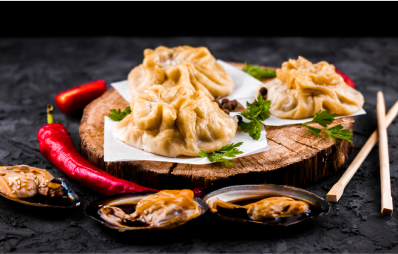
When people think of Nepalese food abroad, they often think of momos. These juicy dumplings are a favorite among locals, expats, and travelers alike.
- Steamed momos highlight the natural flavor of fillings.
- Fried momos offer crispy indulgence.
- Jhol momos swim in a spicy soup-like sauce.
Originally influenced by Tibetan dumplings, momos became a national favorite in Nepal, evolving into a dish that now defines Nepalese cuisine worldwide. In Dubai, our momos have quickly become a star at Namaste — loved by everyone from Nepalese expats to Emiratis and tourists.
Spices That Tell a Story
The secret to Nepal’s beloved flavors lies in its spices. Unlike heavily spiced cuisines, Nepalese food uses moderation and balance. Key flavors include:
- Turmeric – for color, health, and earthy depth.
- Cumin and coriander – aromatic staples in curries and dals.
- Timur (Sichuan pepper) – a uniquely Nepali spice with a citrusy zing.
- Fenugreek and mustard seeds – used for tempering pickles and vegetables.
These spices don’t overpower; they enhance. They make Nepalese food flavorful, fragrant, and comforting — and they’re all part of our kitchen at Namaste.
Festivals and Food: A Cultural Connection
In Nepal, food isn’t just daily sustenance — it’s woven into celebrations and rituals.
- During Dashain (the biggest Hindu festival), families gather to prepare feasts of goat curry, rice, and sel roti.
- At Tihar, the festival of lights, sweets and savory treats are exchanged as symbols of love and prosperity.
- Weddings and gatherings are incomplete without a momo-making session, where friends and relatives fold dumplings together.
These traditions travel with Nepalese people wherever they go. In Dubai, our restaurant recreates that festive spirit, making it a cultural home for those far from the Himalayas.
Nepalese Food Finds a Home in Dubai
Dubai is a city that embraces flavors from across the globe. While shawarma, biryani, and sushi have their place, Nepalese food has quietly built a strong following.
At Namaste Restaurant, we see this every day. Nepalese expats come for the taste of home, while locals and international visitors discover new favorites like Dal Bhat and momos. What makes our cuisine special in Dubai’s culinary scene is its authenticity, warmth, and balance of flavors.
Why Nepalese Flavors Are Beloved Worldwide
The journey of Nepalese food from the Himalayas to Dubai reflects why it resonates globally:
- It’s balanced. Neither too spicy nor too bland, just the right harmony of flavors.
- It’s wholesome. Dal, rice, vegetables, and lean meats create balanced meals.
- It’s versatile. From quick snacks like momos to full feasts like Thakali sets, it suits every occasion.
- It’s cultural. Every dish is tied to heritage, making meals meaningful.
This universality is why Nepalese cuisine is steadily gaining recognition outside its homeland.
Keeping Tradition Alive at Namaste
At Namaste Restaurant Dubai, our mission is clear: to keep Nepal’s food culture alive while sharing it with the world. We do this by:
- Using authentic recipes passed down through generations.
- Hand-preparing dishes the traditional way — from momo pleats to simmered curries.
- Sourcing fresh ingredients for quality and flavor.
- Creating an atmosphere where guests feel the warmth of Nepalese hospitality.
For us, it’s not just about serving food — it’s about serving culture.
A Journey Worth Tasting
From the Himalayan villages to the bustling streets of Dubai, Nepalese food has traveled far, but it hasn’t lost its soul. It remains hearty, flavorful, and deeply tied to tradition.
At Namaste Restaurant, every plate of momos, every serving of Dal Bhat, and every spoon of achar is a continuation of that journey — bringing the beloved flavors of Nepal to your table.
So, whether you’re a Nepalese expat missing home, a Dubai local curious to explore new flavors, or a traveler seeking authenticity, we invite you to join us.Taste the Himalayas. Experience the tradition. Discover why Nepal’s beloved flavors have found a second home in Dubai.